Maintaining a baseball glove is essential for ensuring its longevity and performance on the field. From regular cleaning to conditioning the leather, each aspect of care contributes to the glove’s durability. It is also important to be vigilant about inspecting the laces and stitching for signs of wear, as neglecting these details can lead to more considerable issues. Additionally, understanding the best storage methods can further enhance the glove’s lifespan. However, many players overlook the subtle signs that indicate when a glove may need replacement, which could greatly impact performance. Let’s explore the question of How to maintain a baseball glove in the article.
Key Takeaways
- Clean your glove regularly with a damp cloth to remove dirt and moisture after each use.
- Condition the leather every few months with glove oil or cream to prevent cracking and maintain flexibility.
- Inspect laces and seams for wear, replacing any damaged components promptly to ensure structural integrity.
- Store your glove in a cool, dry place, using a glove wrap or inserting a ball to maintain its shape.
- Recognize signs for replacement, such as cracks, loss of shape, or performance issues, to ensure reliability on the field.
Understanding Your Baseball Glove
A baseball glove is not merely an accessory; it is an essential tool that plays a critical role in a player’s performance. Understanding your baseball glove involves recognizing its construction, materials, and function. Typically crafted from leather, synthetic materials, or a combination of both, a glove’s design influences its flexibility, durability, and grip. Each glove is tailored for specific positions, such as infield or outfield, necessitating appropriate selection based on individual needs. To optimize performance, players must familiarize themselves with the glove’s pocket depth and webbing style, which affect ball control and catching efficiency. Proper maintenance, including cleaning and conditioning, further enhances longevity, ensuring that the glove remains a reliable partner on the field. This knowledge fosters a deeper connection with the sport.
Common Issues With Baseball Gloves
Understanding the intricacies of a baseball glove also entails recognizing common issues that can arise over time. One prevalent issue is the loss of shape, often resulting from improper storage or excessive moisture exposure. This can lead to decreased performance and difficulty in catching. Another concern is the breakdown of the leather, which may manifest as cracks or stiffness, diminishing flexibility and grip. Additionally, seams may fray or loosen, compromising the glove’s structural integrity. Finally, dirt and residue accumulation can hinder performance and affect longevity. By being aware of these issues, players can better appreciate the importance of maintenance practices, ultimately ensuring their glove remains a reliable asset on the field.
Essential Maintenance Techniques
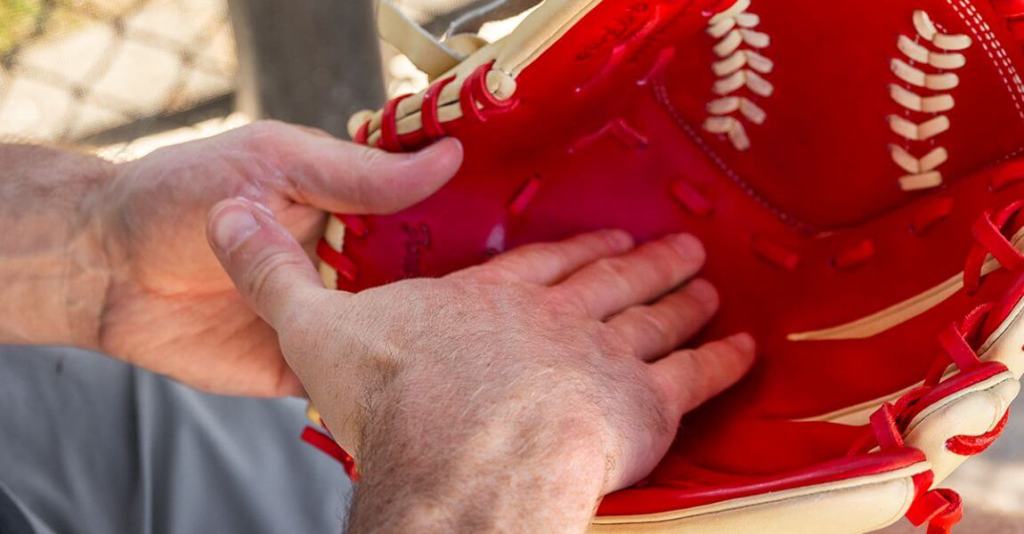
To guarantee ithe deal performance and longevity of a baseball glove, implementing essential maintenance techniques is essential. Regular cleaning is the first step; use a damp cloth to remove dirt and moisture after each use, ensuring the leather remains supple. Conditioning the leather with a specialized glove oil or cream every few months helps prevent cracking and drying, maintaining its flexibility. Additionally, checking the laces and stitching for signs of wear is important; replace damaged components promptly to avoid further deterioration. Finally, active players should practice hand exercises to keep their grip strong and responsive. By following these essential maintenance techniques, you not only enhance the glove’s performance but also foster a deeper connection to your game.
Proper Storage Practices
When considering how to maintain a baseball glove, proper storage practices play a crucial role in preserving its shape and functionality. Storing your glove correctly minimizes the risk of damage and extends its lifespan, ensuring it remains a reliable companion on the field.
To enhance your glove’s longevity, consider the following storage practices:
1. Use a Glove Wrap or Bag: Protects the glove from dust and moisture while allowing it to breathe.
2. Store in a Cool, Dry Place: Avoid areas with extreme temperatures or humidity, which can warp leather and degrade materials.
3. Keep the Glove Shaped: Insert a ball or use a glove shaper to maintain the pocket’s integrity when not in use.
Signs It’s Time for Replacement
How can you tell when it’s time for a new baseball glove? Several indicators signal that your glove may need replacement. First, inspect the leather for significant cracks or tears; these compromises can affect performance and safety. Second, evaluate the glove’s shape—if it no longer maintains its form or fails to close properly, it’s time to reflect on a new model. Additionally, persistent odors or moisture retention indicate material degradation, which can hinder your game. Finally, if your glove consistently struggles to catch or throw effectively, it may no longer meet your performance expectations. Understanding these signs is essential for ensuring that you maintain a reliable and high-performing glove, ultimately enhancing your experience on the field.
Conclusion
In summary, maintaining a baseball glove requires consistent cleaning, conditioning, and inspection to guarantee peak performance and longevity. Regular attention to the glove’s condition, including monitoring laces and stitching, is vital to prevent deterioration. Employing proper storage techniques further protects the glove from moisture and preserves its shape. Recognizing the signs that indicate a need for replacement is essential for players who wish to sustain peak functionality on the field. Adhering to these practices will enhance the glove’s durability and performance.
 Net Ready Sports